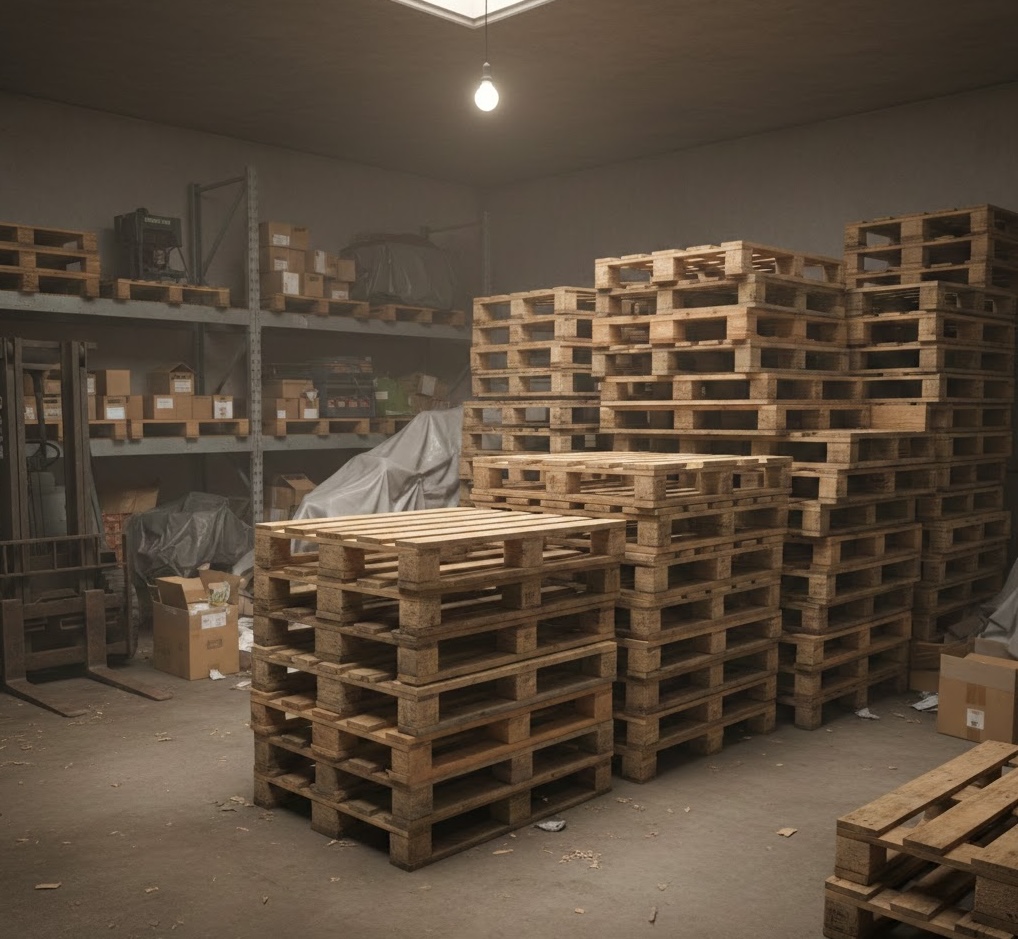
Pallet grading is the standardized system used to classify used pallets based on their condition, structural integrity, and appearance. Understanding these grades is essential for making cost-effective purchasing decisions. While exact grading criteria can vary slightly between suppliers, the industry generally follows a three-tier system: Grade A (also called #1 or premium), Grade B (also called #2 or standard), and Grade C (also called #3 or economy). Each grade serves different applications, and choosing the right one can significantly impact both your costs and your operations.
Grade A pallets are the highest quality used pallets available. These pallets have been used only once or a few times and show minimal signs of wear. All deck boards and stringers are intact, with no broken or missing components. The wood is clean, with no stains, contamination, or excessive weathering. Grade A pallets are ideal for retail-facing shipments, food and beverage industries, pharmaceutical logistics, and any application where appearance and consistency matter. They typically cost 20-30% less than new pallets while offering comparable performance.
Grade B pallets represent the most popular category in the recycled pallet market, offering the best balance of cost and quality. These pallets may show signs of normal use including slight discoloration, minor staining, and cosmetic blemishes. Structurally, they are fully sound but may have had one or two boards replaced during reconditioning. Grade B pallets are suitable for most industrial applications, warehousing, domestic shipping, and manufacturing environments. They typically cost 40-50% less than new pallets and represent the sweet spot for businesses looking to reduce costs without compromising on functionality.
Grade C pallets are the most economical option. These pallets show significant wear and may have multiple repaired boards, visible staining, or cosmetic damage. However, they remain structurally adequate for many applications. Grade C pallets are commonly used for heavy industrial applications, one-way shipments, short-term storage, and situations where appearance is not a concern. They can cost 50-70% less than new pallets. Some businesses use Grade C pallets for internal operations and reserve higher grades for customer-facing shipments.
When choosing a pallet grade, consider these factors: the weight and fragility of your products, whether the pallet will be visible to end customers, regulatory requirements for your industry, how many times the pallet will be reused, and your budget constraints. If you are shipping to major retailers, check their specific pallet requirements as many mandate Grade A or B pallets. For international shipping, all grades must be ISPM-15 heat treated regardless of condition. When in doubt, start with Grade B pallets for most applications and adjust based on your experience.
Tags: