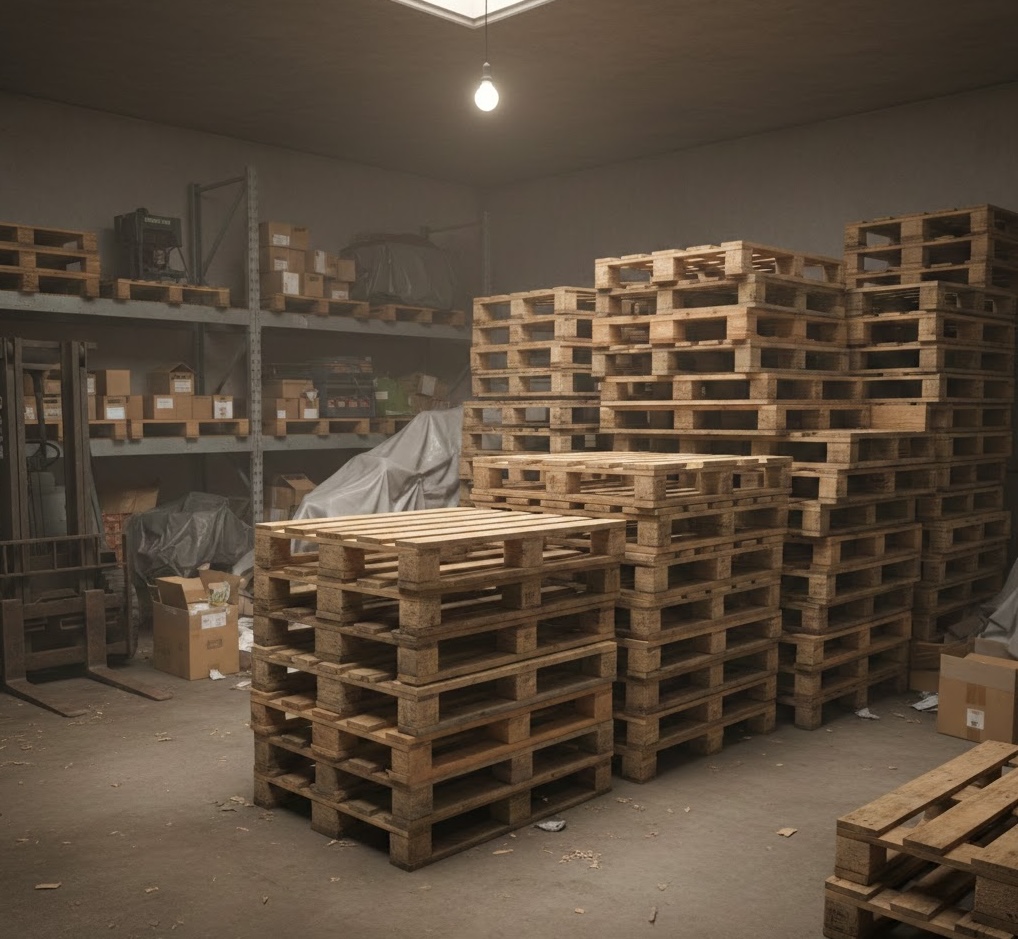
Pallet costs can represent a significant portion of a company's packaging and logistics budget, especially for businesses that ship large volumes of goods. With pallet prices fluctuating based on lumber markets, demand cycles, and regional availability, finding ways to reduce these costs is essential for maintaining healthy margins. The good news is that there are several proven strategies to cut pallet expenses without compromising the quality and reliability your operations depend on.
The first and most impactful strategy is switching from new to recycled pallets. High-quality used pallets cost 40-60% less than new pallets and perform comparably for most applications. Grade A and B recycled pallets are structurally sound, have been inspected and reconditioned, and meet the requirements of most retailers and shipping partners. The second strategy is to implement a pallet return program. If you ship to regular customers, arrange for pallets to be returned for reuse. Many businesses find they can reuse pallets 5 to 10 times before they need repair or replacement.
Third, right-size your pallets. Many companies default to the standard 48 by 40 inch GMA pallet even when a smaller size would be more appropriate. Using half-pallets (48 by 20) for retail displays or smaller pallets for lighter loads reduces material costs and can improve trailer utilization. Fourth, invest in pallet repair rather than replacement. A broken deck board or loose stringer does not mean the entire pallet needs to be discarded. Professional pallet repair typically costs a fraction of replacement and can extend pallet life by several more use cycles.
Fifth, negotiate volume pricing with your pallet supplier. Even small businesses can benefit from committing to regular orders. Establish a relationship with a reliable supplier who can offer consistent quality at bulk pricing. Consider seasonal buying strategies as well, as pallet prices tend to be lower during slower shipping periods. By combining these five strategies, most businesses can reduce their total pallet costs by 30 to 50 percent while maintaining the same level of quality and reliability in their operations.
Tags: